Referral line for Midland, Texas
Ant control in Midland, Texas
Ant trails on the counter tend to come back after you wipe them off. A call connects you with an independent company that can work out where the colony is.
Calls answered: Early morning to late evening
| Looks like | Pharaoh ants: 1/16 to 1/12 inch, light tan to reddish. Fire ants: reddish or dark, mixed sizes, up to about 1/4 inch. |
|---|---|
| Usually found | Indoors near water and sweets. Fire ants in soil, under rocks and landscape timbers. |
| Season | Moves indoors in very hot, dry spells and in very wet ones. |
| Call when | Trails keep returning, ants swarm indoors, or anyone is getting stung. |
How to recognize ants
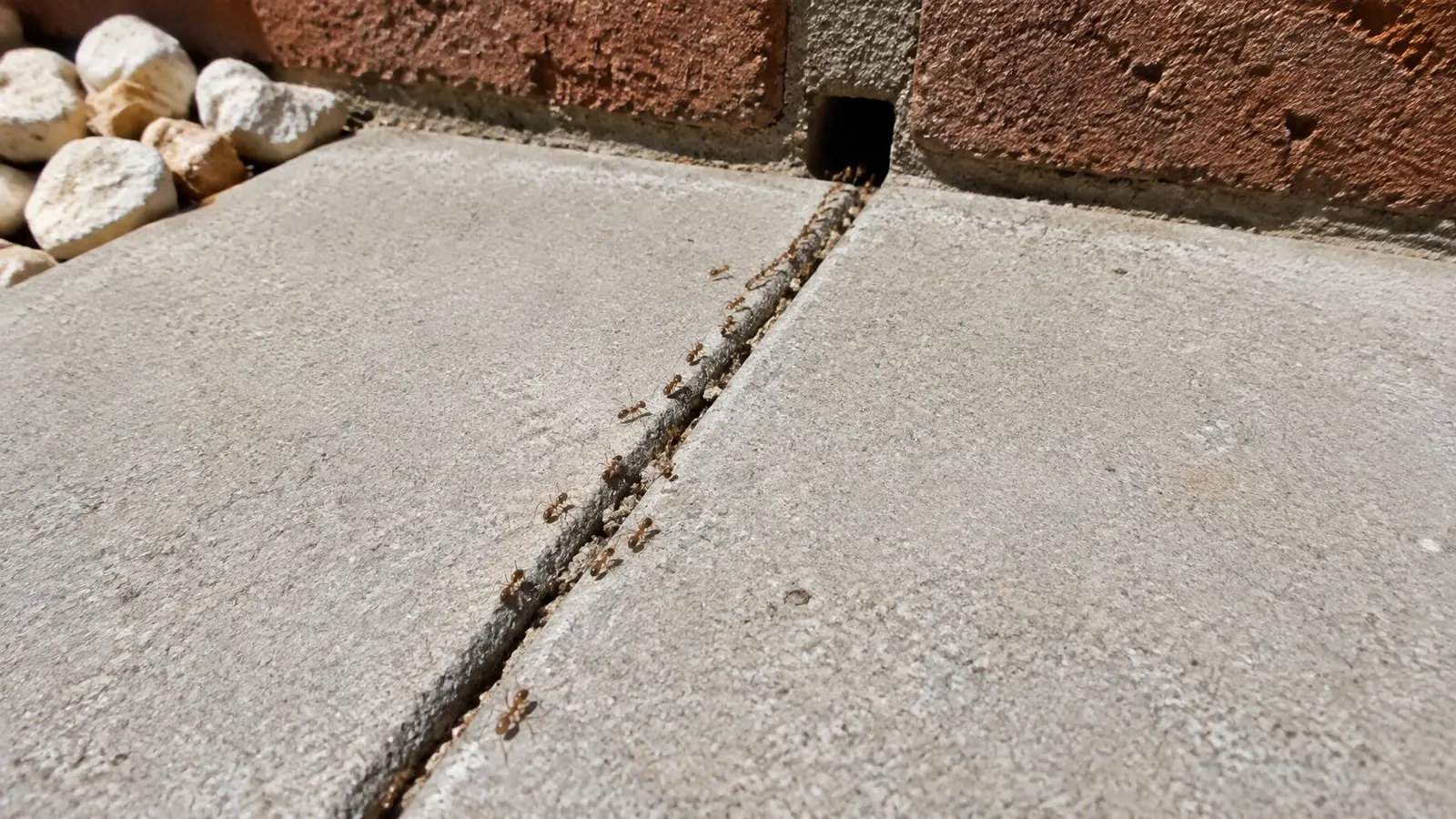
AgriLife's household ant guide says the pharaoh ant, also called the sugar ant, is the one most often seen indoors in Texas. It's about 1/12 to 1/16 inch and light tan to reddish, with trails that can run 150 feet. It doesn't sting and it rarely bites. It likes sweets, greasy food and warm places close to water.
Winged ants indoors usually mean a colony inside. Check them against termites: ants have a narrow waist, elbowed antennae and hind wings shorter than the front ones.
Why they show up here
This is where the climate shows. AgriLife says colonies may move indoors when the weather is abnormally hot and dry or very wet, or when food and water run short outside. In a place with about 13.5 inches of rain a year, a kitchen sink, a pet bowl or a leaky hose bib gets attention.
Fire ants: the Texas fire ant project says they infest more than the eastern two-thirds of the state and some urban areas in western Texas. No county-level statement for Midland, Texas turned up when this page was written, so this page won't say they're established here. In cold, dry areas their mounds are usually much smaller and harder to see, and in drought colonies may not build mounds at all. They're red and black, the mound has no central opening, and they come out fast and sting when disturbed.
What a visit usually involves
This describes common practice. The company you speak with decides the details.
The first job is identifying the ant, because some nest inside and others just come in to feed. The goal is the colony. AgriLife warns that spraying the trail kills only a few workers and can make things worse by splitting a colony into several. So expect questions about where you see them and when, a look at the outside of the house, and a plan aimed at the nest.
If you have been spraying trails yourself, say so on the call and hold off until you've spoken with the company.
Keeping them out
- Store sweets and pet food in sealed containers.
- Take up pet bowls overnight if that's where the trail ends.
- Fix drips at sinks and outdoor faucets.
- Seal gaps where pipes and wires come through the walls.
When to call
Call if a trail is back within days, if you find winged ants indoors, or if someone in the house reacts to stings. For a severe reaction, call 911 first.
Common questions
Are the ants in my yard fire ants?
Maybe. Size varies within the same mound, and the fire ant project says mounds in dry areas can be small and hard to see. A company can identify them.
Why did the ants come back after I sprayed?
Most likely the spray reached workers on the trail and missed the colony. AgriLife explains this.
Got pests in the house right now?
Call and say what you've seen and your ZIP code. You'll be connected with an independent pest control company. Allow a few minutes for the conversation.
Calls answered: Early morning to late evening