Referral line for Midland, Texas
Rat and mouse control in Midland, Texas
Droppings in a drawer or scratching over the bedroom at night? A call connects you with an independent company that traps and seals out rats and mice.
Calls answered: Early morning to late evening
| Looks like | Often unseen. Rodents are mostly active at night. |
|---|---|
| Usually found | Droppings, gnaw and rub marks, tracks, nests of shredded paper or insulation. |
| Entry points | Gaps at garage doors, roof vents and flashing, ground-level gaps in siding. |
| Call when | You find fresh droppings, chewed wiring, or hear them in the walls or ceiling. |
How to recognize rats and mice
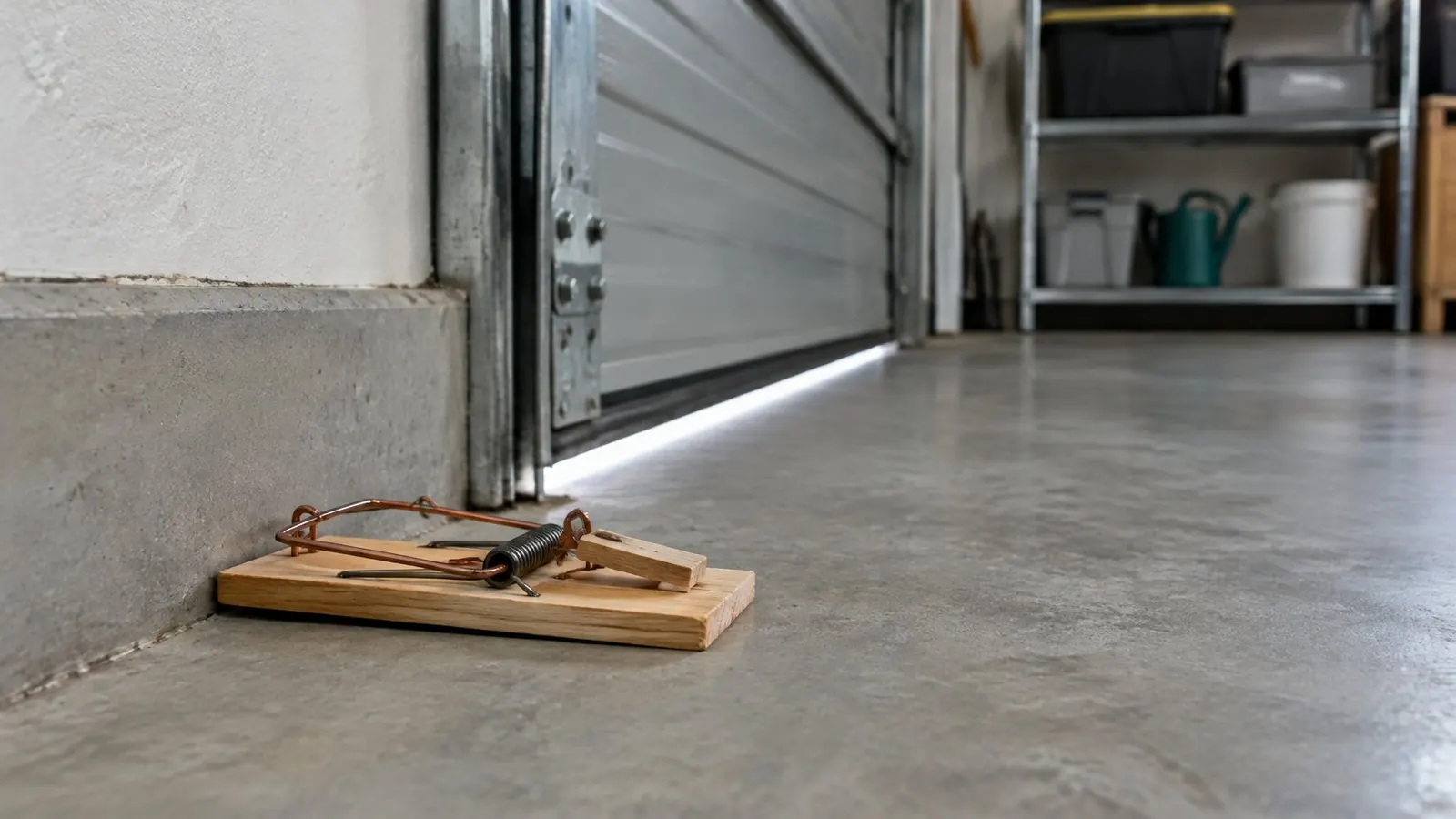
You may never see one. Texas DSHS says to look for droppings that look like black grains of rice, along with trails, rub and gnaw marks, tracks and nests made of twigs, grass, insulation or newspaper. EPA adds droppings around food packages, in drawers and under the sink. Footsteps or scratching in a ceiling at night also count.
Don't sweep or vacuum droppings or nests. DSHS says that can spread virus in the air, and it lists the steps for wet-wiping and bagging them with gloves on.
Why they show up here
DSHS sums up what rodents need as food, water and shelter. On dry land, a house offers all three: a garage full of stored boxes, pet food in a bag, a drip under the sink. It takes little room to get in. AgriLife says a roof rat can get through a gap under a door as narrow as 1/2 inch, or a hole about the size of a quarter.
Those same AgriLife notes point to the usual ways in: gaps around the garage door, roof vents and flashing, and ground-level gaps under and around siding. Older houses with crawl spaces can have many more.
What a visit usually involves
This describes common practice. The company you speak with decides the details.
Trapping without sealing tends to fail. AgriLife calls skipping the inspection and sealing of entry points a common reason control doesn't work. A visit usually covers finding how they get in, setting snap traps where droppings show activity and sometimes using bait in secured stations.
Ask whether sealing is part of the job or a separate one, who checks the traps and how often, and how the company handles anything it catches.
Keeping them out
- Keep food, including pet food and birdseed, in sealed containers.
- Don't leave pet dishes full overnight.
- Close small holes with steel wool and cracks with caulk.
- Clear piles of boxes and debris away from walls.
When to call
Call if droppings are fresh, if you hear them at night, or if you find chewed wiring. Chewed wires are a fire risk, so don't put that one off.
Common questions
Is it a rat or a mouse?
Droppings size and where you hear them help. The company should identify which you have, since it changes where traps go.
What should I do about droppings before the visit?
Leave what the company might need to see, and don't sweep or vacuum. Texas DSHS lists the safer cleanup steps.
Got pests in the house right now?
Call and say what you've seen and your ZIP code. You'll be connected with an independent pest control company. Allow a few minutes for the conversation.
Calls answered: Early morning to late evening